
best way to cook chicken to use in a recipe

For the best way to cook chicken to use in a recipe, easily grill or roast it. Grill for a smoky flavor or roast for a tender texture perfect for any dish.
Introducing the right cooking method is crucial to enhancing the taste and texture of chicken. Whether you are planning to prepare a delicious salad, sandwich, or main course, properly cooked chicken lays the foundation for a mouthwatering dish. Grilling or roasting the chicken yields exceptional results.
Grilling imparts a tantalizing smoky flavor, while roasting ensures a juicy and tender texture. These simple yet effective techniques can elevate the taste profile of your recipe and make your dish a standout. In this guide, we will explore the step-by-step process of grilling and roasting chicken to perfection. So, get ready to create a delectable chicken dish that will satisfy your taste buds.
Selecting The Right Cut Of Chicken
Selecting the right cut of chicken is crucial in preparing a delicious recipe. Understanding the differences between bone-in and boneless cuts as well as the variety of cuts available can help you achieve the desired flavor and texture.
Consider Bone-in Vs. Boneless
- Bone-In Chicken: Adds flavor and moisture, but takes longer to cook.
- Boneless Chicken: Cooks faster and is easier to eat without bones.
Understanding Different Cuts
- Breasts: Lean, versatile, and cook quickly but can dry out if overcooked.
- Thighs: Juicy and flavorful, perfect for grilling or roasting.
- Drumsticks: Great for frying or baking, crispy skin and tender meat.
- Wings: Ideal for appetizers or finger foods, crispy and tasty when grilled or fried.
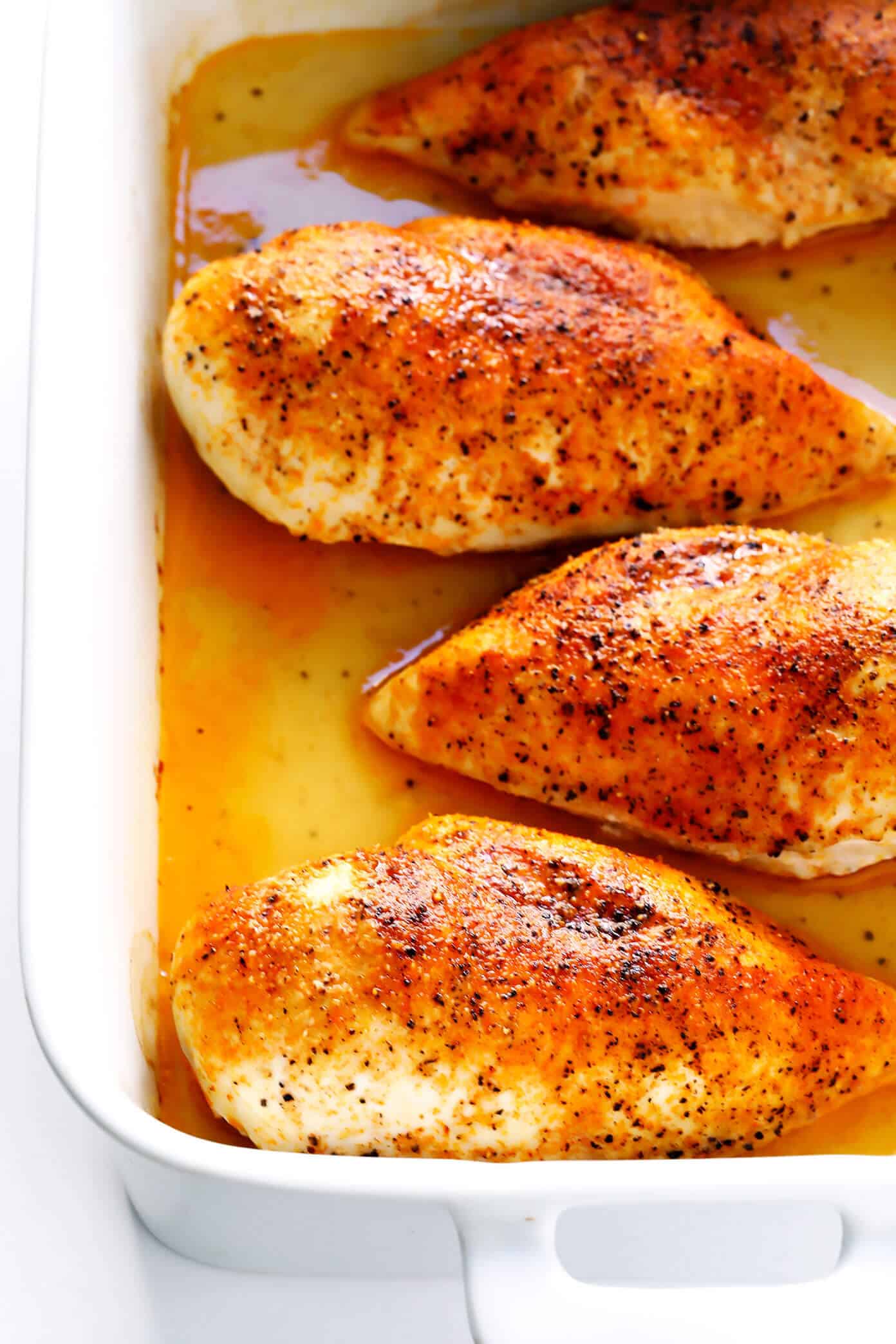
Credit: www.gimmesomeoven.com
Brining Techniques For Moisture Retention
When it comes to achieving succulent and flavorful chicken for your recipes, mastering brining techniques for moisture retention is key.
Basic Brine Components
A basic brine consists of water, salt, and sugar. The water hydrates the chicken, while salt helps retain moisture and flavor. Sugar balances the saltiness and enhances the overall taste.
Variations In Brining Methods
There are various methods for brining chicken, such as wet brining and dry brining. Wet brining involves soaking the chicken in a saltwater solution, whereas dry brining involves rubbing salt directly onto the chicken.
Mastering Seasoning And Marinades
Mastering seasoning and marinades is crucial for creating delicious and flavorful chicken to use in any recipe. The right combination of spices and marinades can elevate the taste of your dish to a whole new level. Whether you prefer dry rubs or wet marinades, understanding how to balance and enhance flavors is essential for cooking the perfect chicken.
Balancing Flavors With Dry Rubs
Dry rubs are a popular seasoning method that involves coating the chicken with a mixture of dry spices before cooking. Creating a well-balanced dry rub is key to bringing out the natural flavors of the chicken while adding a depth of seasoning. Follow these steps to master the art of dry rubs:
- Choose a variety of spices and herbs, such as paprika, garlic powder, onion powder, cumin, and black pepper.
- Combine the spices in a bowl and mix thoroughly to ensure an even distribution of flavors.
- Generously coat the chicken with the dry rub, ensuring all sides are well-covered for maximum flavor infusion.
- Allow the chicken to marinate in the dry rub for at least 30 minutes before cooking to allow the flavors to penetrate the meat.
Enhancing Flavors With Wet Marinades
Wet marinades are another great way to infuse chicken with flavor and moisture. These liquid-based mixtures not only add taste but also help tenderize the meat. Here’s how to enhance flavors with wet marinades:
- Choose your favorite combination of ingredients, such as olive oil, citrus juices, soy sauce, herbs, and spices.
- Place the chicken in a resealable plastic bag or a shallow dish and pour the marinade over it, ensuring the chicken is fully submerged.
- Allow the chicken to marinate in the refrigerator for at least 2 hours, or preferably overnight, to allow the flavors to permeate the meat.
- Before cooking, remove the chicken from the marinade and pat it dry to promote a crispy exterior when cooked.
By mastering the art of seasoning and marinades, you can ensure that your chicken is bursting with flavor, ready to be used in any recipe of your choice.
Exploring Cooking Methods
Explore different cooking methods for chicken to find the best way to prepare it for your favorite recipe. From grilling to baking, each method brings out unique flavors and textures, ensuring a deliciously cooked chicken dish.
Whether you’re planning a weeknight dinner or an elaborate weekend meal, finding the best way to cook chicken to use in a recipe is crucial. Cooking methods can greatly impact the flavor, texture, and overall success of your dish. In this section, we’ll explore three popular cooking methods: grilling, oven roasting, and searing. Each method brings its unique set of advantages and can infuse the chicken with mouthwatering flavors.Grilling For Smoky Notes
Grilling is a beloved cooking method that adds a smoky char and delectable grill marks to your chicken. Whether you’re using a gas or charcoal grill, the process is simple and produces flavorful results. To get started, properly preheat your grill and brush the chicken with a marinade or seasoning of your choice. Place the chicken directly on the hot grill grates and cook until it reaches the recommended internal temperature. This method not only imparts a smoky flavor but also offers a healthier alternative to frying.Versatility Of Oven Roasting
Oven-roasting is a versatile cooking method that allows for a hands-off approach. It can elevate the natural flavors of the chicken while leaving the meat tender and juicy. To oven-roast chicken, preheat the oven to the desired temperature specified in your recipe. Place the seasoned chicken on a roasting pan or baking sheet and cook until it reaches the recommended internal temperature. The dry heat of the oven helps to create a golden brown skin, while the circulating hot air ensures even cooking throughout. This method is perfect for recipes that call for tender and succulent chicken, such as casseroles or stews.Flavor Infusion Through Searing
Searing is a cooking technique that involves quickly cooking the chicken over high heat to create a caramelized crust. This method is ideal for recipes that require a bold and intense flavor profile. To sear chicken, start by heating a skillet or frying pan over medium-high heat. Add a small amount of oil or butter and place the chicken in the hot pan. Allow it to cook undisturbed for a few minutes until a golden brown crust develops. Flip the chicken and repeat the process until it reaches the desired doneness. Searing locks in the juices and enhances the overall taste and texture of the chicken. Now that you’ve learned about the different cooking methods for chicken, you can confidently choose the best technique that suits your desired recipe and culinary preferences. Whether you prefer the smoky notes of grilled chicken, the versatility of oven roasting, or the flavor infusion through searing, each method offers amazing results that will transform your dish into a culinary masterpiece. So go ahead, explore these cooking methods, and make your next chicken recipe a memorable one.Utilizing The Sous Vide Technique
Utilizing the Sous Vide Technique offers a precise and foolproof method for cooking chicken to perfection. This cooking method involves sealing the chicken in an airtight bag and cooking it in a water bath at a precise temperature for an extended period. This process ensures that the chicken is evenly cooked throughout, resulting in tender, juicy, and flavorful meat.
Precision Cooking For Tenderness
When using the sous vide technique to cook chicken, the precise temperature control allows you to achieve the desired level of tenderness. By setting the water bath to the exact temperature, you can ensure that the chicken is cooked to the ideal doneness without the risk of drying out the meat. This precise cooking method helps in preserving the natural juices and flavors of the chicken, resulting in a succulent and tender texture.
Retaining Juices And Flavors
Sous vide cooking locks in the natural juices and flavors of the chicken as the meat is sealed in an airtight bag during the cooking process. This prevents the loss of moisture and ensures that the chicken remains moist and flavorful. By retaining the natural juices, the chicken becomes incredibly succulent and provides a heightened depth of flavor, making it an ideal choice for any recipe that calls for tender, flavorful chicken.
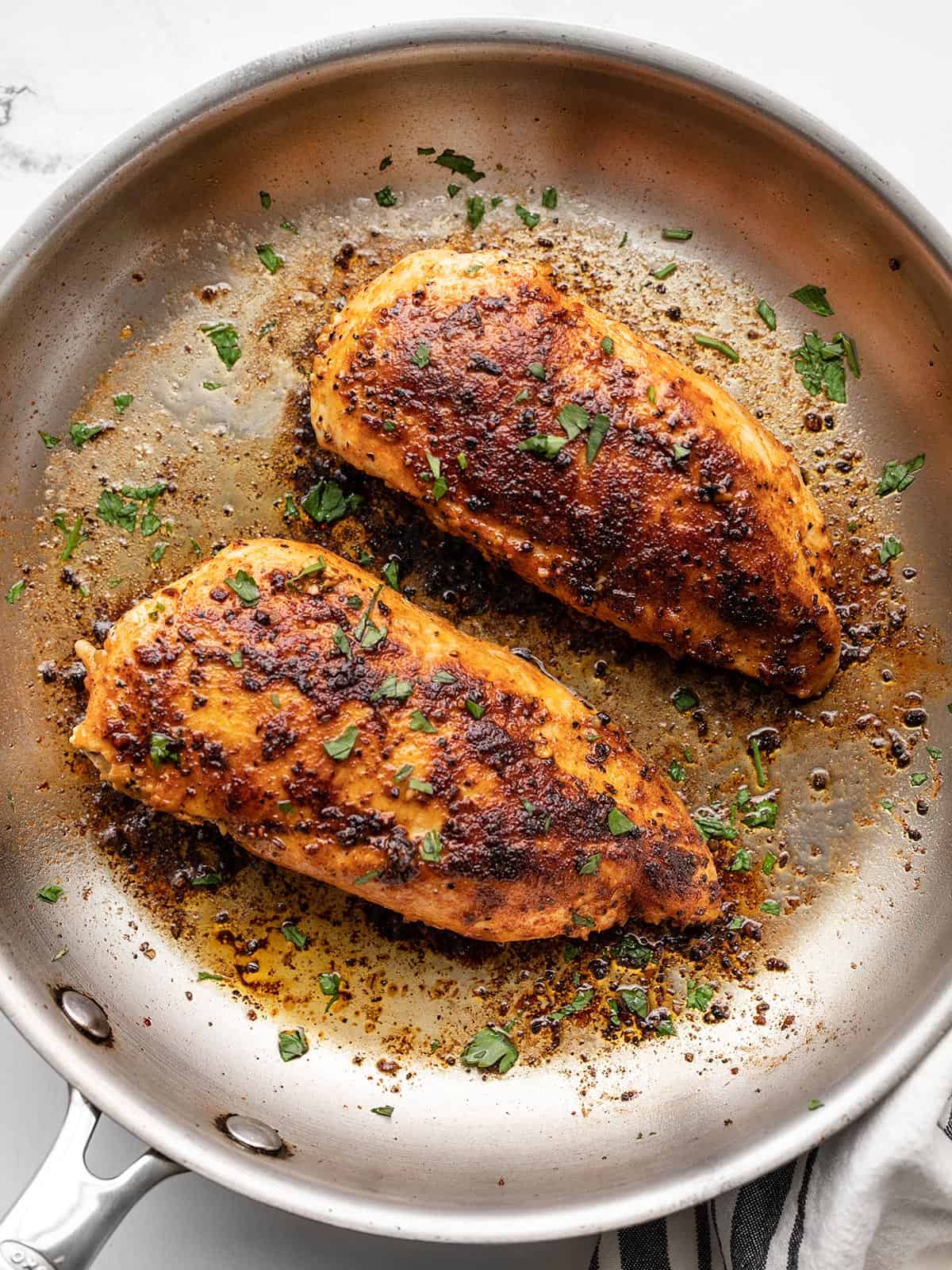
Credit: www.budgetbytes.com
Achieving Perfect Internal Temperature
When it comes to cooking chicken, achieving the perfect internal temperature is crucial for both taste and safety. Undercooking can result in harmful bacteria, while overcooking leads to dry and tough meat. This section will provide you with a clear understanding of safe cooking temperatures and tips to avoid overcooking.
Understanding Safe Cooking Temperatures
Understanding the safe internal temperature for cooked chicken is essential for preventing foodborne illnesses. The United States Department of Agriculture (USDA) recommends a minimum internal temperature of 165°F (74°C) for all chicken products, including breasts, thighs, wings, and ground chicken.
It’s important to note that the chicken should be measured at the thickest part, away from bones. To accurately determine the internal temperature, you can use a meat thermometer inserted into the thickest part of the chicken without touching the bone. This quick and easy method guarantees that your chicken is fully cooked and safe to consume.
Avoiding Overcooking
While achieving the recommended internal temperature is vital, overcooking the chicken can leave you with dry and unappetizing meat. To avoid this, keep the following tips in mind:
- Cooking times may vary depending on the size and thickness of the chicken. Use a timing chart to estimate the appropriate cooking duration.
- Basting the chicken with marinades, sauces, or broths during cooking helps retain moisture and prevent dryness.
- Consider using a meat thermometer to monitor the internal temperature throughout the cooking process. Remove the chicken from heat when it reaches 160°F (71°C) as the residual heat will continue to cook it until the safe temperature of 165°F (74°C) is attained.
- Resting the cooked chicken for a few minutes before slicing or serving allows the juices to redistribute, resulting in moist and succulent meat.
By following these tips, you can ensure that your chicken is perfectly cooked, safe to eat, and bursting with flavor. Remember that taking care to achieve the right internal temperature guarantees a delicious meal that you and your loved ones can enjoy with peace of mind.
Resting And Carving For Optimal Results
When it comes to preparing the best chicken for your recipes, resting and carving are crucial steps that can make a big difference in the final outcome. Achieving optimal results involves understanding the importance of letting the cooked chicken rest and mastering proper carving techniques. Let’s dive into why the resting period and carving technique are essential for a flavorful dish.
Importance Of Resting Period
Resting period allows the juices to redistribute, locking in moisture and ensuring a tender, flavorful chicken. Skipping this step may result in dry and less succulent meat.
Proper Carving Techniques
- Carve the chicken against the grain to maintain tenderness
- Use a sharp knife to ensure clean cuts without shredding the meat
- Separate the different parts of the chicken for easy serving
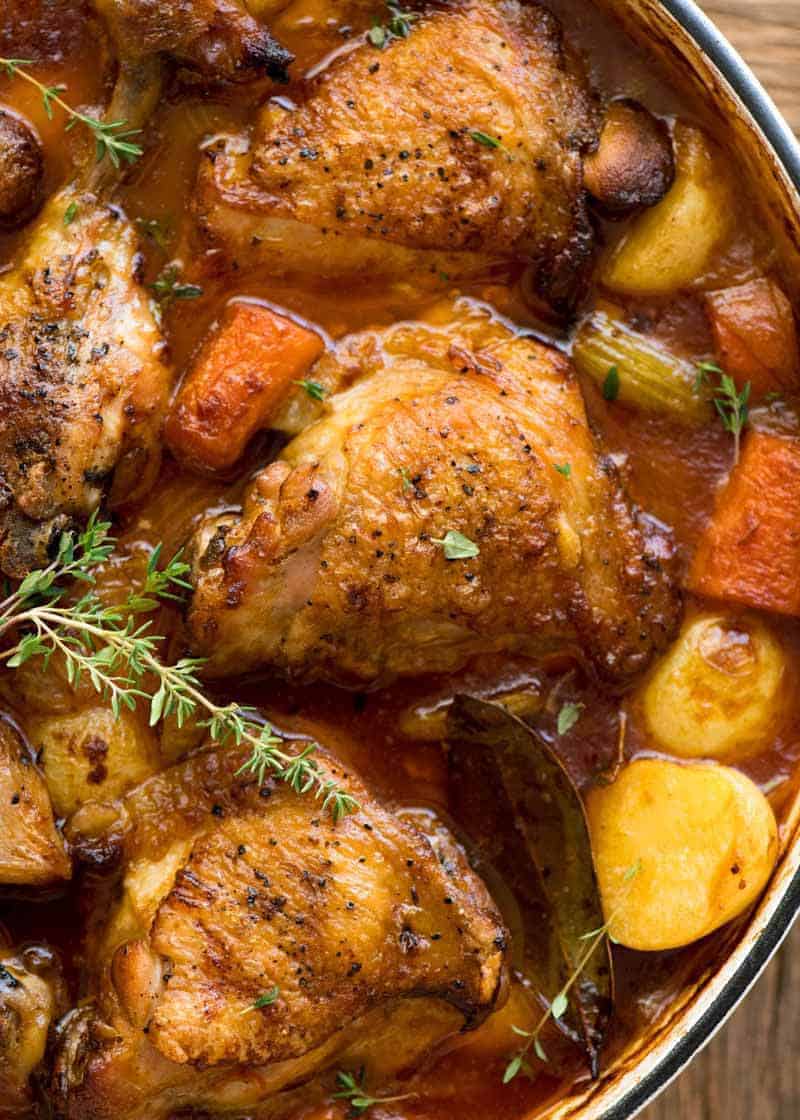
Credit: www.recipetineats.com
Incorporating Chicken In Various Recipes
Incorporating chicken in various recipes opens up a world of culinary possibilities. From simple stir-fries to elaborate casseroles, chicken serves as a versatile protein that can be customized to suit a myriad of flavor profiles.
Versatile Chicken For Culinary Exploration
Experiment with different cooking techniques like grilling, baking, and pan-searing to unlock the full potential of chicken in your dishes.
Explore diverse cuisines by incorporating seasonings and spices that reflect global flavors, enhancing the taste of the chicken in unique ways.
Creative Recipe Applications
Transform everyday dishes with shredded chicken in salads, sandwiches, and wraps for a quick and nutritious meal.
Elevate classic recipes like pasta dishes and stews by using tender chicken pieces in rich sauces or broths, creating comforting and hearty meals.
Conclusion
Cooking chicken for recipes requires the right technique to ensure flavor and tenderness. Whether you choose to grill, roast, or sauté the chicken, the key is to cook it to the right internal temperature, ensuring a safe and delicious meal.
Experimenting with different cooking methods can lead to exciting culinary outcomes.
