
how do i know if a recipe is safe for canning

To determine if a recipe is safe for canning, look for verified sources like government extension services or tested canning recipes from reputable sources.

Credit: www.reddit.com
Understanding Canning Safety
What Is Canning?
Canning is a food preservation method that involves sealing food in jars or cans to prevent spoilage.
The Importance Of Canning Safety
Ensuring safety in canning is crucial to prevent bacterial contamination and foodborne illnesses.

Credit: www.instagram.com
Selecting The Right Recipes
When it comes to canning, safety is paramount. Selecting the right recipes is crucial to ensure the preservation of your food and the health of your loved ones. Let’s delve into what makes a canning recipe safe and reliable.
Types Of Recipes To Avoid
- Recipes lacking acidity or proper processing methods
- Recipes with unknown or unverified sources
- Recipes that require lengthy storage at room temperature
Identifying Safe Canning Recipes
- Look for recipes from trusted sources like the USDA or reputable canning books
- Ensure the recipe includes specific instructions for canning methods
- Verify that the recipe has the correct pH levels for safe canning
Examining Ingredients And Preparation
When it comes to canning, ensuring that a recipe is safe is essential to prevent the risk of botulism and other foodborne illnesses. One crucial aspect of determining the safety of a canning recipe is examining the ingredients and preparation. Paying attention to the acidity of the foods and the proper cooking methods is vital for safe canning. Let’s delve into these factors in more detail.
Acidic And Low-acid Foods
It is important to differentiate between acidic and low-acid foods when selecting a canning recipe. Acidic foods, such as most fruits, have a pH level of 4.6 or lower, while low-acid foods, including most vegetables and meats, have a pH level above 4.6. Considering the acidity level is crucial as it determines whether a water bath canner or pressure canner is required. Acidic foods can typically be safely canned using a water bath canner, while low-acid foods necessitate a pressure canner to kill any potential bacteria, including the risk of botulism.
Proper Preparation And Cooking Methods
Proper preparation and cooking methods are paramount for safe canning. It is crucial to use recipes from reputable sources that provide detailed instructions for preparing and cooking the food before canning. Additionally, following USDA guidelines and utilizing tested recipes can ensure the safety of the canning process. This involves sterilizing jars and lids, utilizing the appropriate processing time and pressure, and accurately following the recommended canning method for a specific recipe.
Utilizing Safe Canning Methods
Canning your own food can be a rewarding and economical way to preserve and enjoy fruits, vegetables, and other homemade dishes. However, it’s crucial to ensure that the recipes you choose are safe for canning to prevent the risk of foodborne illnesses. By utilizing safe canning methods, such as water bath canning and pressure canning, you can safeguard the quality and safety of your canned goods.
Water Bath Canning
Water bath canning is a simple and popular method used for preserving high-acid foods. This technique is suitable for canning fruits, jams, jellies, pickles, and some tomato-based products that have an acidic pH level below 4.6.
To properly engage in water bath canning, carefully follow these steps:
- Select fresh, ripe, and blemish-free produce.
- Wash and prepare the ingredients as required.
- Sterilize your canning jars, lids, and rings by boiling them in water.
- Prepare the canning recipe, ensuring it follows a tested and reliable source.
- Fill the sterilized jars with the prepared food, leaving the appropriate headspace.
- Ensure the jar rims are clean and apply the lids with rings, finger-tight.
- Place the filled jars onto a rack or wire basket in a canner filled with boiling water.
- Ensure the jars are fully submerged in the water, with at least one inch of water covering the tops.
- Bring the water to a rolling boil, and set the timer according to the specific recipe instructions.
- Once the processing time is complete, carefully remove the jars using jar lifters.
- Allow the jars to cool undisturbed for 12 to 24 hours.
- Ensure the jars are properly sealed by checking for a concave lid.
- Store the properly sealed jars in a cool, dark, and dry place.
Pressure Canning
Pressure canning is necessary for low-acid foods, such as vegetables, meats, poultry, and seafood. These foods must be processed under higher temperatures and pressure to eliminate the harmful bacteria that thrive in low-acid environments.
When engaging in pressure canning, carefully follow these steps:
- Choose fresh and high-quality ingredients.
- Wash and prepare the ingredients as required.
- Sterilize your canning jars, lids, and rings by boiling them in water.
- Prepare the recipe, ensuring it follows a tested and reliable source.
- Add the specified amount of liquid to the pressure canner.
- Fill the sterilized jars with the prepared food, leaving the appropriate headspace.
- Ensure the jar rims are clean and apply the lids with rings, following the manufacturer’s instructions for tightening.
- Place the filled jars onto the pressure canner’s rack, ensuring they do not touch the sides.
- Secure and lock the lid of the pressure canner according to the manufacturer’s instructions.
- Allow the canner to vent steam for the specified time to remove any air pockets.
- Follow the recommended process times and pressure for your specific recipe.
- Once the processing time is complete, turn off the heat and allow the pressure canner to cool naturally.
- Carefully remove the lid only when the pressure gauge shows zero and the canner’s safety features indicate it’s safe to do so.
- Using jar lifters, remove the jars from the canner and let them cool undisturbed for 12 to 24 hours.
- Ensure the jars are properly sealed by checking for a concave lid.
- Store the properly sealed jars in a cool, dark, and dry place.
Understanding Jar And Lid Safety
Understanding Jar and Lid Safety is crucial when it comes to canning recipes. Ensuring the safety of your canned goods starts with Choosing the Right Jars and Proper Lid Usage and Inspection.
Choosing The Right Jars
When canning, using appropriate jars that are specifically designed for canning is paramount. These jars are made to withstand high temperatures during the canning process.
Proper Lid Usage And Inspection
Inspecting lids before each use is important. Make sure the lids are not dented, rusty, or warped. Proper sealing of lids prevents spoilage and ensures food safety.
Following Trusted Sources And Guidelines
Following trusted sources and guidelines is crucial when determining if a recipe is safe for canning.
Reliable Canning Resources
When it comes to canning, it’s important to rely on trusted resources for recipes and guidelines. The resources you choose should be recognized and respected within the canning community, ensuring the safety of your canned goods. Look for established authorities, such as the National Center for Home Food Preservation, reputable canning blogs, and publications from respected culinary institutions.
Understanding Fda And Usda Guidelines
Both the Food and Drug Administration (FDA) and the U.S. Department of Agriculture (USDA) provide comprehensive guidelines for home canning, designed to safeguard against the risk of foodborne illness. These guidelines outline safe processes for preserving various foods, including fruits, vegetables, meats, and more. By familiarizing yourself with the FDA and USDA recommendations, you can ensure that your canning practices align with the latest industry standards and best practices.
Testing The Seal And Storage
Ensure the safety of your canned recipes by testing the seal and storage. Know whether your recipe is safe for canning with these tips.
Testing the Seal and Storage Checking for Proper Sealing After canning, ensure lids have properly sealed before storage. Press the center of lids to ensure they are firm and do not move. Any loose lids indicate improper sealing. Best Practices for Storing Canned Goods Store canned goods in a cool, dark place with low humidity. Avoid direct sunlight, which can compromise food quality. Use within a year for best taste and safety.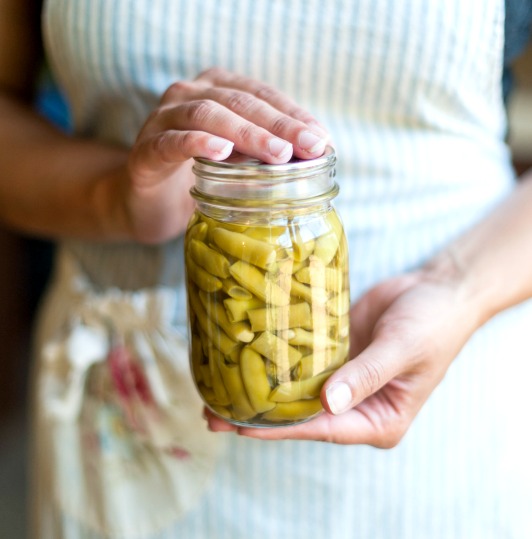
Credit: melissaknorris.com
Conclusion
Ensuring the safety of canning recipes is crucial for preserving food properly. By following reliable sources, conducting thorough research, and adhering to approved canning methods, you can confidently create safe and delicious canned goods. Stay informed and cautious, and enjoy the benefits of home-canned foods with peace of mind.
