
Is it safe to eat raw eggs in a recipe

Yes, it is generally safe to eat raw eggs in a recipe, but caution should be exercised to ensure they are fresh and sourced from reputable sources. Raw eggs may carry bacteria such as salmonella, which can cause foodborne illness.
However, the risk of contamination is relatively low, especially if you use pasteurized eggs. Pasteurization is a process that kills harmful bacteria while retaining the nutritional value of the egg. If you are consuming raw eggs, it is crucial to handle and store them properly and avoid recipes that involve long periods of exposure to room temperature.
By following these precautions, you can enjoy the versatility and nutritional benefits of raw eggs in your recipes while minimizing the potential health risks.
Potential Risks Of Raw Eggs
Raw eggs pose potential risks when consumed in recipes due to the presence of bacteria such as salmonella. These bacteria can cause foodborne illnesses in humans, making it important to properly cook eggs to ensure food safety.
Salmonella Contamination
Raw eggs can contain harmful bacteria like Salmonella that can cause food poisoning.Other Bacterial Contamination
Apart from Salmonella, raw eggs might be contaminated with various other harmful bacteria. Placing emphasis on the importance of handling raw eggs properly is essential to prevent foodborne illnesses.:max_bytes(150000):strip_icc()/Is-It-Safe-to-Eat-Raw-Eggs-2000-bb9276e70f034116b2ee1e5783c3f2fd.jpg)
Credit: www.eatingwell.com
Health Concerns For Specific Groups
Pregnant Women
Pregnant women should avoid consuming raw eggs due to the risk of salmonella contamination.
Young Children
Young children have developing immune systems, making them more susceptible to foodborne illnesses from raw eggs.
Elderly Individuals
Elderly individuals may have weakened immune systems, increasing their vulnerability to salmonella infection from raw eggs.
Benefits Of Consuming Raw Eggs
Raw eggs have been a topic of debate for decades when it comes to their safety and nutritional benefits. Let’s delve into the benefits of consuming raw eggs, highlighting the nutrient retention and protein quality they offer.
Nutrient Retention
Raw eggs contain a high level of essential nutrients, such as vitamins A, E, D, and B-complex, which can be diminished when the eggs are cooked. This means that consuming raw eggs provides a more robust and complete array of nutrients beneficial to overall health.
Protein Quality
The protein in raw eggs is of exceptionally high quality, as it includes all the essential amino acids required by the body for muscle repair, immune function, and overall well-being. Consuming raw eggs can be a convenient way to boost your protein intake naturally.
Ways To Minimize Risk
Minimize the risk of consuming raw eggs in recipes by using pasteurized eggs or substituting with a safe alternative. Make sure to store eggs properly and use them within their expiration date. Additionally, cook the eggs to ensure safety and minimize the risk of foodborne illness.
Eating raw eggs may pose some health risks due to the potential presence of bacteria like Salmonella. However, there are several ways to minimize the risk and safely include raw eggs in your recipes. By following these purchasing tips, storage and handling guidelines, and choosing pasteurized eggs, you can continue to enjoy the versatility and flavor raw eggs bring to your dishes.Purchasing Tips
When purchasing eggs, there are a few things to keep in mind to ensure their freshness and quality. These tips will help minimize the risk of consuming contaminated eggs:- Look for eggs with clean, uncracked shells
- Check the expiration or “best before” date on the packaging
- Inspect the eggs for any unusual odors or discoloration
- Purchase eggs from reputable sources like certified farms or local producers
Storage And Handling
Proper storage and handling are crucial to maintaining the freshness of eggs and reducing the risk of bacterial contamination. Follow these guidelines to ensure the safety of raw eggs:- Store eggs in the refrigerator at 40°F (4°C) or below
- Avoid storing eggs on the refrigerator door, as temperature fluctuations can occur
- Keep eggs in their original carton to protect them from absorbing odors
- Wash your hands before and after handling eggs
- If an eggshell cracks, discard it to prevent bacterial contamination
Choosing Pasteurized Eggs
If you are concerned about the safety of consuming raw eggs but still want to include them in your recipes, consider using pasteurized eggs. Pasteurization is a heat treatment process that kills bacteria while preserving the egg’s nutritional value and taste. These eggs undergo a specific heat treatment that eliminates the risk of Salmonella or other harmful bacteria.| Benefits of Pasteurized Eggs | Drawbacks of Pasteurized Eggs |
|---|---|
| Safe for consuming raw or undercooked | Slightly more expensive than regular eggs |
| Protects against Salmonella and other harmful bacteria | May not be as widely available as regular eggs |
| Preserves flavor and nutrients of the eggs | May have a slightly different texture compared to regular eggs |
Recipes That Use Raw Eggs Safely
Discover delicious recipes that use raw eggs safely without compromising your health. Learn how to incorporate raw eggs in a variety of dishes with proper handling and cooking techniques. Enjoy the rich flavors and textures of recipes that showcase the versatility of raw eggs in a safe and enjoyable way.
Recipes that Use Raw Eggs Safely Classic Caesar Salad Dressing When preparing classic Caesar salad dressing, which traditionally contains raw eggs, it’s essential to take precautions to avoid any potential risk of foodborne illness. Fresh, high-quality eggs from a reputable source can lower the risk, but there are also safe practices to follow to minimize any hazards. One way to ensure safety is to use pasteurized eggs, which have been treated to kill any harmful bacteria while retaining the texture and taste of the raw eggs. Homemade Ice Cream Homemade ice cream is a delectable treat that often calls for raw eggs. However, to enjoy this indulgence without any concerns about foodborne illness, it’s crucial to choose the right eggs. Fresh, high-quality eggs, preferably from a trusted source, can significantly reduce the risk of contamination. Using pasteurized eggs is a recommended option to maintain the luscious texture of the ice cream while eliminating any potential hazards associated with raw eggs. By incorporating pasteurized eggs or following proper safety guidelines, you can enjoy these delicious recipes with confidence, savoring the rich flavors without worries about consuming raw eggs. Safe Practices for Raw Eggs in Recipes – Use pasteurized eggs – Select fresh, high-quality eggs from a reputable source – Follow proper safety guidelines – Enjoy classic Caesar salad dressing and homemade ice cream worry-free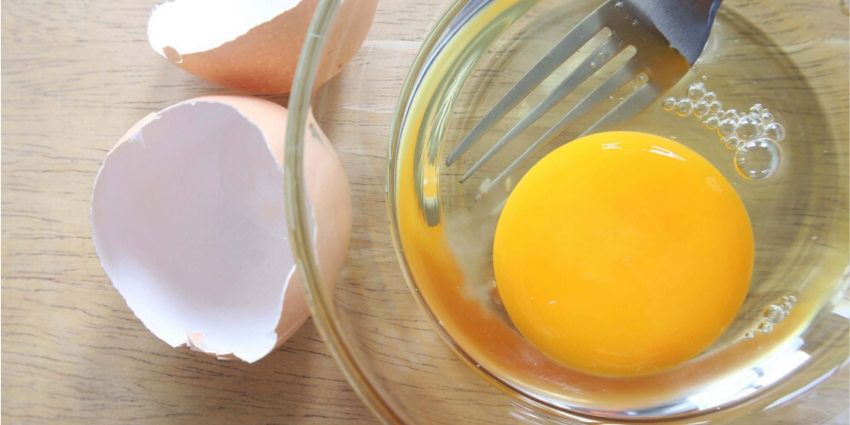
Credit: www.australianeggs.org.au
Understanding Egg Safety Labels
Eggs are a versatile and nutritious ingredient that can be used in a wide variety of recipes, both cooked and raw. However, when it comes to consuming raw eggs, there are concerns about food safety. Raw eggs have the potential to contain bacteria such as Salmonella, which can cause foodborne illnesses. To ensure the safety of consuming raw eggs, it is important to pay attention to egg safety labels that provide important information about the eggs’ quality and safety.
Interpreting Labels
Egg safety labels can be found on egg cartons and provide valuable information about the eggs’ quality and safety. Here are some key points to consider when interpreting these labels:
- Expiration Date: The expiration date indicates the date by which the eggs should be consumed for the best quality. It is essential to not consume eggs after the expiration date to avoid the risk of foodborne illnesses.
- Grade: The grade of eggs indicates their quality and freshness. The highest grade usually available is Grade A, which means the eggs have been thoroughly inspected and meet a high standard of quality. Grade A eggs are generally recommended for consumption.
- Size: The size of eggs refers to their weight and can vary from small to extra-large. The size of the eggs can impact the measurements and cooking time of a recipe, but it does not affect their safety.
- Production Method: Some labels indicate the production method of the eggs, such as organic, free-range, or cage-free. These labels provide information about the chicken’s living conditions and the feed they receive, but do not directly relate to egg safety.
Certifications To Look For
When choosing eggs, certain certifications can provide reassurance about their safety and quality. Look for the following certifications:
- USDA Organic: Eggs with the USDA organic seal have been produced following strict organic standards, which prohibit the use of antibiotics or pesticides. These eggs are typically from chickens that have access to outdoor space and are fed an organic diet.
- Pasture-Raised: The pasture-raised certification indicates that the chickens have access to a pasture for grazing, allowing them to forage for insects and vegetation. This certification ensures a higher level of animal welfare and can lead to healthier eggs.
- Animal Welfare Approved: This certification ensures that the chickens are raised under humane conditions, with access to the outdoors and space to engage in natural behaviors. Eggs with this certification come from farms that prioritize animal welfare.
By paying attention to egg safety labels and looking for certifications that prioritize quality and safety, you can make informed decisions when choosing eggs for your recipes, whether they require raw or cooked eggs.
Cooking Vs. Raw: Pros And Cons
Intro: Exploring the debate of cooking vs. consuming raw eggs reveals various pros and cons to consider.
Comparison Of Nutrient Loss
When eggs are cooked, some vitamins and minerals may be lost due to heat exposure.
Impact On Taste And Texture
Raw eggs tend to preserve the natural taste and texture better than when they are cooked.
Conclusion: Making Informed Decisions
Considering the potential risk of salmonella, it is advisable to avoid consuming raw eggs in recipes. Prioritize safety by opting for pasteurized egg products or heating eggs thoroughly in dishes. Making informed decisions is key to ensuring the overall well-being of your health.
Considering Individual Health Factors
Before deciding on consuming raw eggs, evaluate your overall health status and specific dietary needs.
Balancing Risks and BenefitsBalancing Risks And Benefits
Understand the potential health risks versus the nutritional benefits of raw eggs before including them in your recipes.
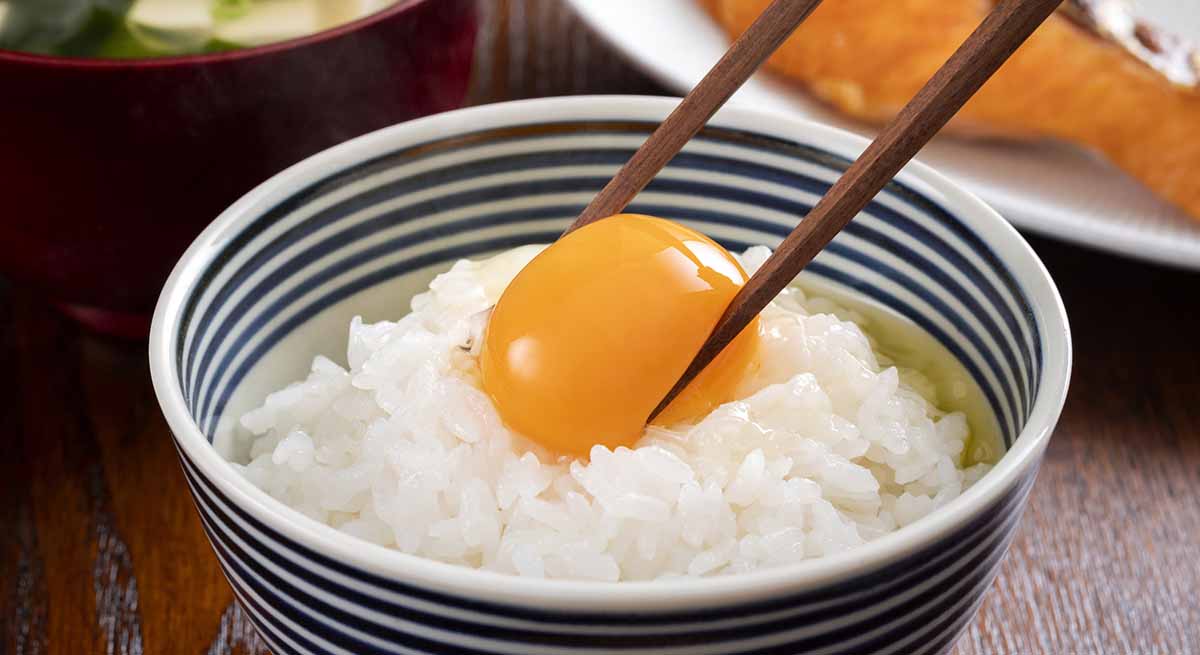
Credit: recipes.net
Conclusion
While consuming raw eggs poses a risk of foodborne illness, many recipes may still call for them. To minimize this risk, always use fresh, high-quality eggs and consider pasteurized options. Additionally, ensuring proper hygiene and following recommended food safety guidelines can help to make eating raw eggs in recipes safer for you and your family.
