
What to do if a recipe calls for self rising flour

To substitute for self-rising flour in a recipe, combine 1 cup of all-purpose flour with 1 1/2 teaspoons of baking powder and 1/4 teaspoon of salt. Do you ever find yourself wanting to make a recipe that calls for self-rising flour, only to realize you don’t have any on hand?
Don’t worry! There’s a simple substitute that you can use to achieve similar results. We will explore what to do if a recipe calls for self-rising flour and how you can easily replace it with ingredients that you probably already have in your pantry.
So, whether you’re making biscuits, pancakes, or cakes, you can rest assured knowing that you have the knowledge to handle any recipe that calls for self-rising flour. Get ready to impress your family and friends with your baking skills, even if you don’t have all the exact ingredients!
Understanding Self Rising Flour
Self-rising flour is a unique ingredient commonly used in baking recipes. It already contains certain components that react to produce the desired texture in baked goods.
Key Ingredients
Self-rising flour primarily consists of three key ingredients:
- Flour: The base ingredient that gives structure to the baked item.
- Baking powder: A leavening agent that helps the dough or batter rise.
- Salt: Adds flavor to the finished product.
Leavening Agents
The leavening agents in self-rising flour are crucial for the baking process:
- Baking powder: Releases carbon dioxide gas when combined with moisture and heat, causing the dough to rise.
Common Recipes Requiring Self Rising Flour
Biscuits And Scones
Biscuits and scones are popular treats that often call for self-rising flour.
Cakes And Pancakes
Cakes and pancakes can be easily made using self-rising flour for a fluffy texture.
Foolproof Substitutes For Self Rising Flour
When a recipe calls for self-rising flour and you don’t have it on hand, don’t worry! There are foolproof substitutes you can use to achieve the same leavening effect in your baked goods. Whether it’s a lacking ingredient or a dietary restriction, these alternatives will help you continue with your recipe without any hassle.
All-purpose Flour And Baking Powder
If you have all-purpose flour on hand, you can simply recreate the effect of self-rising flour by adding baking powder. For every cup of all-purpose flour, mix in 1 1/2 teaspoons of baking powder and 1/4 teaspoon of salt. Make sure to sift the mixture several times to ensure thorough blending. This combination will mimic the self-rising properties of the original flour in your recipe.
Diy Self Rising Flour Mix
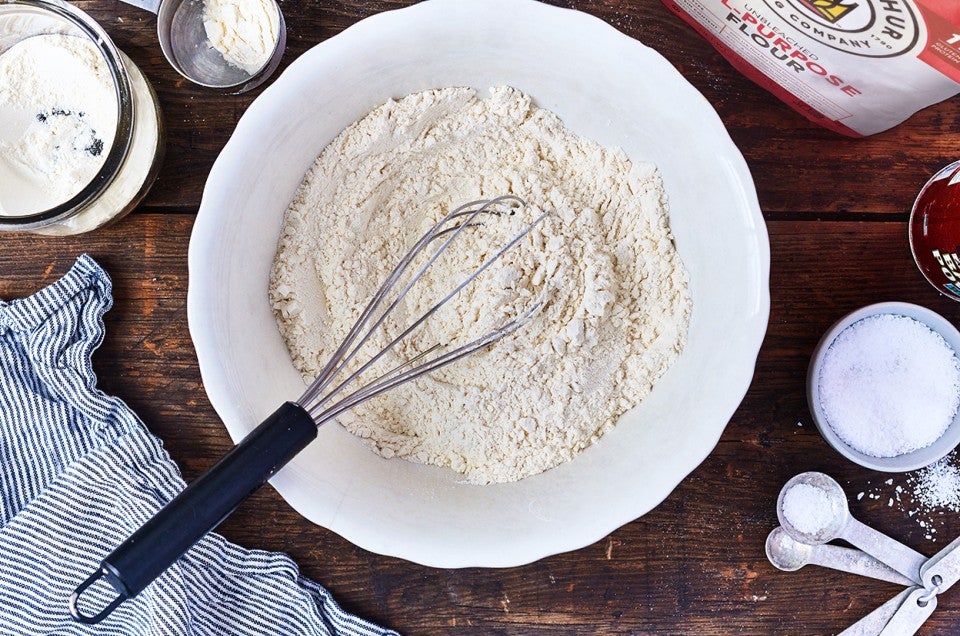
Another way to create a substitute for self-rising flour is to make your own. Simply combine 1 cup of all-purpose flour with 1 1/2 teaspoons of baking powder and 1/4 teaspoon of salt. This mixture can be stored in an airtight container for future use, making it convenient for whenever a recipe calls for self-rising flour.
Credit: www.kingarthurbaking.com
Navigating Other Ingredients In The Recipe
When a recipe calls for self-rising flour and you don’t have any on hand, it’s not the end of the world. With a little know-how, you can easily navigate through the other ingredients in the recipe and make the necessary adjustments. Here, we will explore two key elements to consider when modifying a recipe that calls for self-rising flour: adjusting the salt and baking soda, and modifying the liquid and fat content.
Adjusting Salt And Baking Soda
Self-rising flour is a premixed combination of all-purpose flour, salt, and baking powder. So when you’re using all-purpose flour instead, you need to account for the lack of salt and baking soda. Here’s how:
- Check the recipe for the amount of self-rising flour required.
- To determine the appropriate amount of salt, add 1/2 teaspoon of salt per cup of all-purpose flour.
- Since self-rising flour already contains baking soda, you can omit it completely from the recipe.
Remember to mix the salt with the dry ingredients before adding any liquid to ensure it is evenly distributed throughout the recipe.
Modifying Liquid And Fat Content
Self-rising flour includes a leavening agent, which means it requires less liquid and fat in a recipe compared to all-purpose flour. To compensate, make the following adjustments:
- Reduce the liquid content by 1/2 cup for every 2 cups of all-purpose flour used.
- If the recipe calls for butter or oil, reduce the amount by 2 tablespoons for every 1 cup of all-purpose flour.
- If the recipe calls for eggs, there’s no need to make any changes since they act as a binding agent rather than a leavening agent.
By modifying the liquid and fat content, you can ensure that your recipe turns out just as delicious and successful as if you were using self-rising flour.
Impact On Recipe Results
If a recipe calls for self-rising flour, but you don’t have it on hand, there are a few substitutions you can try. You can make your own self-rising flour by combining all-purpose flour with baking powder and salt. Alternatively, you can use regular all-purpose flour but add extra baking powder and salt to achieve similar results.
Impact on Recipe Results When a recipe calls for self-rising flour and you don’t have it on hand, it’s essential to understand the potential impact on the end result. The use of self-rising flour significantly affects the texture, rise, and flavor profile of the dish. Here’s a closer look at how it can impact your recipe results: H3 headings must be in HTML syntax.Texture And Rise
Using self-rising flour in a recipe contributes to a lighter and airier texture due to the included leavening agents. This results in a better rise of baked goods such as biscuits, pancakes, and cakes.Flavor Profile
The leavening agents in self-rising flour can impact the flavor of the dish, providing a slightly different taste than when using all-purpose flour. The slight hint of salt from the added baking powder and salt in self-rising flour can influence the overall flavor of the recipe. In situations where self-rising flour is unavailable, you can create a homemade substitute using all-purpose flour, baking powder, and salt. For each cup of self-rising flour required, combine 1 cup of all-purpose flour with 1 ½ teaspoons of baking powder and ¼ teaspoon of salt. It’s important to note that the precise impact on your recipe results may vary based on the specific dish and the proportions of self-rising flour in the original recipe. Understanding these differences will allow you to make adjustments and achieve similar results when using a substitute for self-rising flour.Tips For Testing Substitutes
When a recipe calls for self-rising flour, you can easily test substitutes with a few simple options. Try using all-purpose flour, baking powder, and salt to replicate the effects of self-rising flour. You can also make your own by combining specific ingredients.
Small Batch Testing
When substituting self-rising flour in a recipe, it’s always a good idea to start with a small batch test. This allows you to assess the impact of the substitute on the final product without using a large amount of ingredients. To conduct a small batch test, you can reduce the quantities of the original recipe in proportion and make adjustments as needed.
Relying On Visual Cues
One helpful way to determine the success of your self-rising flour substitute is to rely on visual cues. When baking with self-rising flour, the final result is usually light and fluffy with a golden crust. By observing the appearance of the baked goods, you can assess if the substitute has achieved similar qualities.
- Check for a risen and airy texture
- Look for a nice golden brown color
- Assess if the texture looks similar to recipes made with self-rising flour
Adapting Recipes For Dietary Restrictions
To adapt a recipe calling for self-rising flour for dietary restrictions, substitute with a mixture of all-purpose flour, baking powder, and salt. This adjustment ensures the recipe remains delicious while catering to specific dietary needs.
Gluten-free Options
If you have a gluten sensitivity or celiac disease, you can easily make self-rising flour gluten-free. Simply substitute the regular flour with a gluten-free alternative such as almond flour, rice flour, or a gluten-free baking blend. Ensure the other ingredients in the recipe are also gluten-free to maintain the overall integrity of the dish.
Vegan Alternatives
For those following a vegan lifestyle, adapting a recipe that calls for self-rising flour is straightforward. Replace the self-rising flour with a mix of all-purpose flour, baking powder, and salt. Alternatively, almond flour, soy flour, or coconut flour can be used. Do not forget to substitute any dairy-based ingredients as well, such as milk or butter, with vegan options like almond milk and plant-based margarine.

Credit: www.bobsredmill.com
Final Considerations And Storage
After understanding how to adjust and use substitutes for self-rising flour, it’s crucial to know how to store them to maintain their freshness and potency. Here are some key final considerations and storage guidelines:
Adjusting The Storage Of Substitutes
- Keep self-rising flour substitutes in airtight containers to prevent moisture absorption.
- Store substitutes in a cool, dry place away from direct sunlight to maintain their quality.
Safety Precautions
- Label containers clearly to avoid mix-ups and ensure safe usage.
- Avoid storing substitutes near strong-smelling foods to prevent flavor contamination.

Credit: www.kingarthurbaking.com
Conclusion
In a pinch, self-rising flour can be a versatile substitute in recipes. With the right proportions, you can create it at home or make adjustments to the recipe. Understanding the differences ensures successful and delicious results in your baking endeavors.
So, embrace the flexibility and experiment with your culinary creations!
