
how do i know if a recipe is gluten free

To determine if a recipe is gluten-free, check the ingredient list for any gluten-containing ingredients, such as wheat, barley, or rye. Consult reliable sources or look for gluten-free certification.
When it comes to dietary restrictions or choices, such as going gluten-free, it is essential to thoroughly check the ingredients of each recipe you intend to use. Gluten is a protein found in grains like wheat, barley, and rye, which can cause adverse reactions for individuals with celiac disease or gluten sensitivity.
However, determining if a recipe is gluten-free can be challenging, as gluten can hide in unexpected places. We will guide you through the process of identifying gluten-containing ingredients and finding reliable resources to ensure the recipes you choose align with your dietary needs. By following these steps, you can confidently create delightful gluten-free dishes without compromising your health or taste preferences.
Understanding Gluten And Gluten Sensitivity
What Is Gluten?
Gluten is a protein found in wheat, barley, and rye.
Gluten Sensitivity Vs. Celiac Disease
Gluten Sensitivity: Some people experience digestive issues and discomfort after consuming gluten.
Celiac Disease: An autoimmune disorder where gluten consumption triggers an immune response damaging the small intestine.
Credit: www.lazycatkitchen.com
Reading Food Labels
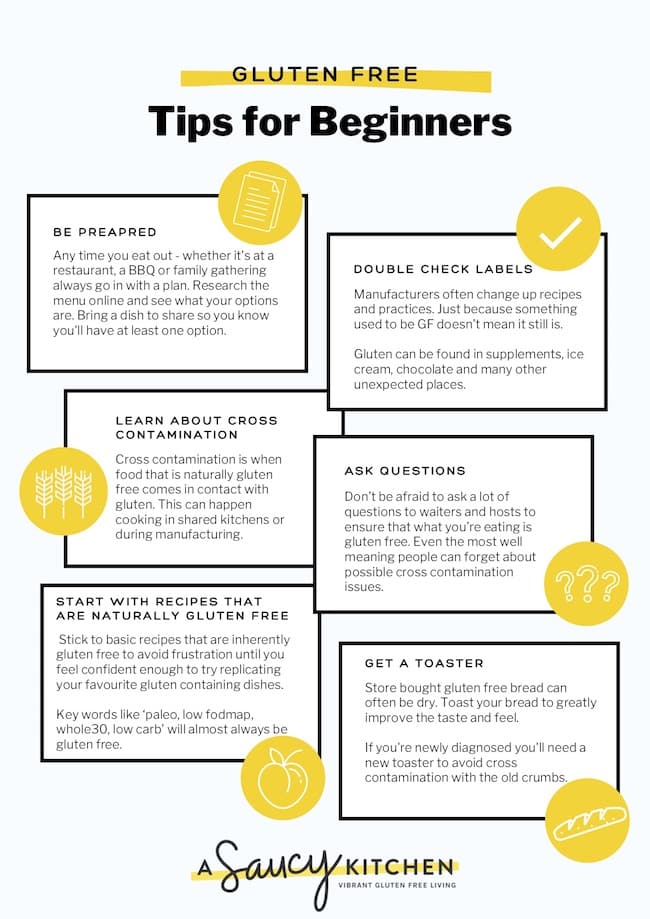
Reading Food Labels: When it comes to determining if a recipe is gluten-free, reading food labels is essential.
Identifying Gluten-containing Ingredients
Gluten-containing ingredients: Wheat, barley, rye, and their derivatives are key to watch for on labels.
- Look for words like “wheat flour,” “barley malt,” or “rye bread” in the ingredients list.
- Avoid ingredients that contain the words “gluten,” “wheat,” or “barley.”
Understanding ‘may Contain’ And Cross-contamination
‘May Contain’ and Cross-Contamination: Be cautious of labels that mention possible cross-contamination with gluten.
- Products that are manufactured in facilities that handle gluten may have the ‘may contain traces of gluten’ warning.
- Check for dedicated gluten-free certifications to ensure safety.
Certification And Gluten-free Symbols
When it comes to identifying gluten-free products, certifications and gluten-free symbols play a crucial role. As a consumer with celiac disease or gluten sensitivity, understanding recognized certifications and deciphering gluten-free symbols can help ensure the safety of the food you consume.
Recognized Gluten-free Certifications
Recognized gluten-free certifications provide assurance that a product has met specific standards for gluten-free labeling. Look for products carrying certifications from organizations such as:
- Gluten-Free Certification Organization (GFCO)
- Celiac Support Association (CSA)
- Gluten Intolerance Group (GIG)
- Canadian Celiac Association (CCA)
When selecting products, seeking these certifications can offer confidence in the gluten-free status of the item. These organizations often have strict guidelines and rigorous testing processes to ensure that products meet gluten-free standards.
Decoding Gluten-free Symbols
Gluten-free symbols are commonly found on food packaging, empowering consumers to quickly identify suitable products. Understanding these symbols is essential. Some common gluten-free symbols include:
- GF or Gluten Free
- Celiac Sprue Association Recognition Seal
- Crossed Grain Symbol
When shopping, familiarize yourself with these symbols to expedite the identification of gluten-free items. Keep in mind that different countries and organizations may have unique gluten-free symbols, so it’s beneficial to stay informed about the symbols relevant to your location.
Using Gluten-free Recipe Websites And Apps
When it comes to finding gluten-free recipes, using dedicated websites and apps can be a game-changer. These platforms offer a wide range of recipes that have been specifically developed and tested to be gluten-free. Whether you have been diagnosed with celiac disease or you simply want to reduce your gluten intake, these resources can help you easily identify recipes that fit your dietary needs. In this article, we will explore popular gluten-free recipe sources and the key features to look for in gluten-free recipe apps.
Popular Gluten-free Recipe Sources
With the rising popularity of gluten-free diets, various recipe websites have emerged to cater to the needs of individuals seeking gluten-free options. Here are some popular gluten-free recipe sources:
- 1. Gluten-Free Blogs: Many passionate food bloggers have dedicated their platforms to sharing delicious gluten-free recipes. These blogs often provide personal anecdotes and detailed instructions, making them a great resource for home cooks seeking inspiration.
- 2. Recipe Aggregator Websites: Websites like Allrecipes and Food Network have dedicated sections for gluten-free recipes. These platforms offer a vast collection of recipes, allowing you to easily search for gluten-free options and explore the reviews and ratings provided by other users.
- 3. Gluten-Free Recipe Websites: There are websites solely focused on gluten-free recipes, such as Gluten-Free Living and Gluten-Free Goddess. These platforms offer a comprehensive collection of recipes that have been tested and approved to be gluten-free.
Features To Look For In Gluten-free Recipe Apps
With the ever-increasing popularity of mobile apps, accessing gluten-free recipes is easier than ever. When choosing a gluten-free recipe app, keep an eye out for these essential features:
| Feature | Description |
|---|---|
| 1. Advanced Search Filters | Navigate recipes more efficiently by filtering based on dietary requirements, ingredients, cooking time, and more. |
| 2. User Reviews and Ratings | Read feedback from other users to assess the quality and taste of a recipe before trying it yourself. |
| 3. Personalized Recipe Recommendations | Receive tailored recipe suggestions based on your dietary preferences and cooking habits. |
| 4. Ingredient Substitutions | Explore alternatives for specific ingredients to accommodate other dietary restrictions or personal preferences. |
| 5. Recipe Collections | Discover curated collections of recipes, such as “quick and easy gluten-free dinners” or “gluten-free desserts for special occasions.” |
By utilizing these features, gluten-free recipe apps can enhance your cooking experience and help you confidently create gluten-free meals that are both delicious and safe for your dietary needs.
Testing Ingredients For Gluten
Wondering how to determine if a recipe is gluten-free? Test the ingredients carefully to ensure they are free from gluten and enjoy a worry-free meal.
Home Gluten Test Kits
One reliable method for testing ingredients for gluten is by using home gluten test kits. These kits are easily available online or at health food stores. They typically include test strips or solution that can be used to detect gluten in food products. Using a gluten test kit is a straightforward process that can give you peace of mind when it comes to determining if a recipe is gluten-free.
Tips For Cross-contamination Prevention
Cross-contamination is a common concern for those following a gluten-free diet. Even if a recipe calls for gluten-free ingredients, there is still a risk of gluten contamination if proper precautions are not taken. Here are some tips to help prevent cross-contamination:
- Use separate utensils, cutting boards, and cookware for gluten-free ingredients.
- Double-check kitchen surfaces for any residual gluten before preparing gluten-free meals.
- Label gluten-free ingredients and store them separately from gluten-containing products.
- Be cautious when using shared appliances such as toasters or grills, as they can harbor gluten residues.
- Read labels carefully to ensure all ingredients, including spices and condiments, are certified gluten-free.
By following these tips, you can minimize the risk of cross-contamination and ensure that your gluten-free recipes remain truly gluten-free.
Credit: gfjules.com
Guidelines For Dining Out
When dining out, it’s essential to communicate your dietary needs clearly to ensure a safe and enjoyable dining experience. Navigating menus for gluten-free options can be challenging, but with the right approach, you can easily identify safe dishes. Here are some tips for communicating your dietary needs and finding gluten-free options when dining out.
Communicating Dietary Needs To Restaurant Staff
When dining at a restaurant, communicating your dietary needs to the restaurant staff is crucial. To ensure that your meal is prepared without gluten, it’s important to clearly and confidently convey your requirements. Clearly state that you require a gluten-free meal and inform the staff about the severity of your gluten intolerance or sensitivity. Use direct and simple language to convey your needs and ask specific questions about the ingredients and preparation methods used in the dishes.
Navigating Menus For Gluten-free Options
Navigating through the menu for gluten-free options can be less daunting with the right approach. Look for dishes that are naturally gluten-free, such as grilled meats, seafood, salads, and vegetables. Avoid items that are battered, breaded, or served with sauces that may contain gluten. If in doubt, don’t hesitate to ask the server for assistance in identifying safe choices and inquiring about any potential cross-contamination concerns in the kitchen.
Common Misconceptions About Gluten-free Cooking
Common Misconceptions about Gluten-Free Cooking:
Misleading ‘healthy’ Labels
Food labeled “gluten-free” may not always be healthy; read ingredients carefully.
- Food with gluten-free label can still be high in sugar or unhealthy fats.
- Always check the nutrition label for the full picture of what you’re eating.
Gluten-free Substitutes And Nutritional Value
Be cautious with gluten-free substitutes; they may lack essential nutrients.
- A gluten-free cake mix can be low in fiber and vitamins compared to a regular mix.
- Opt for whole foods like fruits, vegetables, and lean proteins for balanced nutrition.
Credit: www.asaucykitchen.com
Consulting With A Dietitian Or Nutritionist
When wondering if a recipe is gluten-free, seeking advice from a dietitian or nutritionist can offer valuable insights. Their expertise can help in understanding ingredients, cross-contamination risks, and alternative options. Consulting with a professional can provide personalized guidance to ensure a safe and enjoyable gluten-free cooking experience.
Benefits Of Professional Guidance
Consulting with a dietitian or nutritionist can provide personalized guidance Tailored to your specific dietary needs. They can help ensure you’re meeting all your nutritional requirements. Professional advice can offer clarity and support in navigating a gluten-free lifestyle.Creating A Balanced Gluten-free Diet Plan
A dietitian or nutritionist can help craft well-rounded gluten-free meal plans. They can offer suggestions on alternative ingredients and sources of essential nutrients. Having a plan in place promotes a balanced and healthy gluten-free diet. By consulting with a dietitian or nutritionist, you are putting your health in professional hands. Their expertise in gluten-free nutrition can guide you towards making informed choices.Conclusion
Checking for gluten-free recipes involves understanding key ingredients, careful label reading, and cross-contamination awareness. By following these steps, you can confidently determine the gluten-free status of a recipe and enjoy safe, delicious meals. Always prioritize your health and well-being by staying informed and prepared.
