
what to do when halving a recipe with one egg

Halving a recipe with one egg? Use half of the egg or substitute with a portion of egg substitute.
When following a recipe and need to cut it in half, it can become a bit challenging, especially when it includes one egg. However, there are simple solutions to handle this situation. One option is to use half of the egg, using only the yolk or the white portion, depending on the recipe.
Another alternative is to substitute the egg with a portion of egg substitute, following the manufacturer’s instructions for the amount needed in place of one full egg. These methods ensure that your halved recipe will still turn out well, without compromising the taste or texture of the dish. By making these adjustments, you can confidently enjoy your delicious meal without any worry.
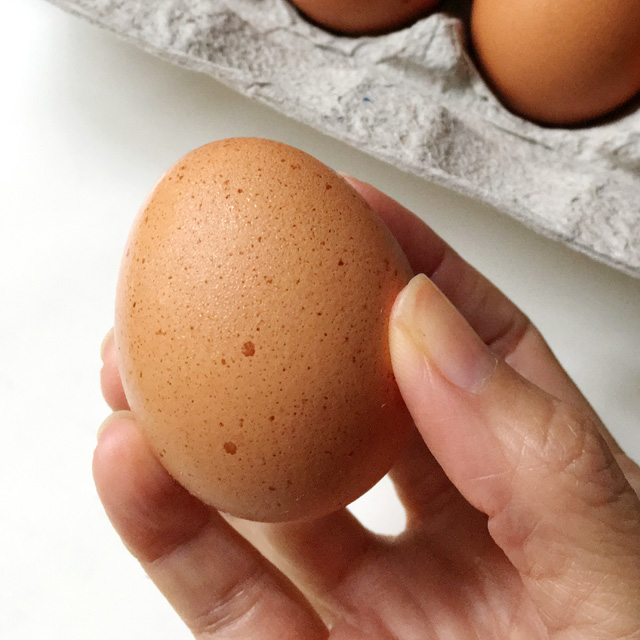
Credit: www.adayinthekitchen.com
The Challenge Of Halving A Recipe
Halving a recipe can be tricky, especially when it involves only one egg. However, there are simple solutions to ensure your dish turns out perfectly, whether it’s using egg substitutes or adjusting other ingredients proportionately. With a few adjustments, you can successfully halve your recipe while maintaining its delicious taste.
Consequences Of Halving A Recipe
Halving a recipe with one egg can lead to unforeseen challenges. The quantity of ingredients must be precisely adjusted to maintain the recipe’s integrity. Any miscalculation can alter the taste, texture, or baking process.Impact On Baking And Cooking Time
Modifying the quantities in a recipe affects both the baking and cooking time. When halving a recipe, it’s crucial to consider the impact on the overall process. Adjusting the cooking time is essential to avoid under- or overcooking the dish.Understanding The Role Of Eggs In A Recipe
Understanding the Role of Eggs in a Recipe
Functions Of Eggs In Baking And Cooking
Eggs provide structure, moisture, and richness in recipes.
Importance Of Eggs In Recipe Halving
Halving a recipe with one egg requires proper adjustments.
Proven Tips For Halving A Recipe With One Egg
Proven Tips for Halving a Recipe With One Egg
When halving a recipe that calls for one egg, you may encounter the challenge of dealing with fractional measurements and ingredient adjustments. Some recipes, such as cakes, may pose a dilemma when it comes to halving the required eggs. However, with the right strategies, it is possible to successfully adjust the recipe and still achieve excellent results. Here are some proven tips for halving a recipe with one egg:
Alternative Egg Substitutes
If you find yourself in a situation where halving a recipe with one egg is necessary, consider using alternative egg substitutes. Common alternatives include 1/4 cup of applesauce or mashed banana, 1/4 cup of silken tofu, or 1/4 cup of yogurt. These substitutes can help maintain the moisture and binding properties that eggs provide in a recipe.
Adjusting Other Ingredients
When halving a recipe with one egg, it’s essential to proportionally adjust the other ingredients to ensure the desired texture and flavor are achieved. For instance, if a recipe calls for 1/2 cup of flour, halve it to 1/4 cup. Similarly, reduce the quantity of sugar, baking powder, and other ingredients accordingly. Maintaining the proper balance of ingredients is crucial in achieving the desired outcome when adjusting a recipe.
Tricks For Maintaining Recipe Consistency
When it comes to halving a recipe with only one egg, maintaining the consistency of the final dish can be a challenge. However, with a few tricks up your sleeve, you can ensure that your scaled-down creation tastes just as delicious as the original. From balancing flavor and texture to ensuring proper leavening, here are some tips to help you achieve recipe consistency.
Balancing Flavor And Texture
When halving a recipe, it’s essential to maintain the right balance of flavors and textures. Here are some ways to achieve this:
- Use half of the spices and seasonings called for in the original recipe, keeping the flavors well-balanced.
- Consider using a smaller amount of ingredients with strong flavors, such as garlic or chili, to avoid overpowering the dish.
- For baked goods, adjust the amount of sugar accordingly to prevent them from becoming overly sweet.
- When reducing the fat content, opt for healthier alternatives such as unsweetened applesauce or Greek yogurt to maintain moisture and texture.
Ensuring Proper Leavening
Leavening agents play a crucial role in recipes, especially when it comes to baking. Here’s how you can ensure proper leavening when halving a recipe:
- Halve the amount of baking powder or baking soda to maintain the right amount of lift in your baked goods.
- If the recipe calls for beaten egg whites, consider using the whole egg instead to preserve the leavening properties.
- Incorporate gentle folding techniques when combining ingredients to prevent overmixing and resulting in deflated baked goods.
By keeping these tricks in mind, you can confidently halve a recipe with one egg and achieve consistent and tasty results. Experiment and have fun with your scaled-down creations while savoring the satisfaction of a perfectly balanced dish!
Effect Of Halving Recipes On Egg-based Dishes
When halving a recipe, particularly one that requires just a single egg, it’s important to consider how the adjustment might impact the overall outcome of the dish. Eggs play a crucial role in adding moisture, binding ingredients together, and providing structure to baked goods and other recipes. Modifying the amount of egg in a recipe can significantly alter the texture and flavor of the final dish. Here’s what you need to know when halving recipes with egg-based dishes.
Adapting Omelets And Quiches
Omelets and quiches are versatile dishes that can be easily halved by using half the amount of eggs called for in the original recipe. When modifying the egg quantity, reduce the other ingredients proportionately, while keeping the cooking time relatively unchanged to ensure a well-balanced and flavorful result.
Modifying Custards And Puddings
Halving a recipe for custards and puddings that contain eggs can be a bit more challenging. The ratio of eggs to dairy and sugar is critical to achieve the desired consistency and flavor. When reducing the amount of egg in these recipes, it’s crucial to adjust the remaining ingredients carefully to maintain the proper texture and richness of the finished dessert.
Common Mistakes To Avoid When Halving A Recipe
When halving a recipe with one egg, it’s important to measure the egg accurately to avoid an imbalance in the recipe. Additionally, consider using a smaller egg or beating the egg and using half of it. This will help to maintain the intended consistency and flavor of the dish.
Underestimating Ingredient Reduction
One of the most common mistakes people make when halving a recipe with one egg is underestimating the reduction of ingredients. It’s important to remember that when you halve a recipe, you are not simply cutting all the ingredients in half. Each ingredient must be adjusted proportionately to maintain the correct balance of flavors and textures.A common error is assuming that reducing the amount of one ingredient will not significantly impact the final outcome of the dish. However, even a small variation in ingredient quantities can alter the taste, texture, and overall success of the recipe. It’s crucial to take the time to carefully calculate the reduction for each ingredient to ensure accurate results.
A useful strategy to avoid this mistake is to use a kitchen scale to measure ingredients precisely. This will enable you to make accurate adjustments and maintain the desired flavor profile. Additionally, keeping a written record of the revised ingredient measurements can serve as a helpful reference for future cooking endeavors.
Ignoring The Impact On Binding And Moisture
Another mistake to avoid when halving a recipe with one egg is ignoring the impact on binding and moisture. Eggs play a crucial role in recipes by providing structure and moisture to baked goods and other dishes. By halving a recipe that calls for one egg, you may inadvertently disrupt this delicate balance.When reducing the number of eggs in a recipe, it’s important to consider the impact on the binding and moisture content of the final product. Eggs act as natural binders, helping to hold the ingredients together and prevent them from crumbling. They also contribute to the moisture content, resulting in a moist and tender texture.
To address this issue, there are several options you can explore. One option is to substitute the missing portion of the egg with another binding agent, such as mashed banana or applesauce. These alternatives can help maintain the desired texture while enhancing the flavor of the dish. Another approach is to adjust the liquid content of the recipe to compensate for the reduced moisture provided by the egg.
In conclusion, when halving a recipe with one egg, it’s important to avoid common mistakes in order to achieve the best results. Underestimating ingredient reduction can lead to imbalances in taste and texture, while ignoring the impact on binding and moisture can affect the overall structure and moistness of the dish. By being mindful of these potential pitfalls and making the necessary adjustments, you can successfully adapt the recipe to suit your needs.
Expert Advice On Recipe Halving
Expert Advice on Recipe Halving:
Insights From Professional Chefs
Professional chefs recommend:
- Using half of a beaten egg for recipes.
- Considering egg substitutes like yogurt or buttermilk.
Tips From Experienced Bakers
Experienced bakers suggest:
- Utilizing egg replacers for optimal results.
- Dividing the egg and using only the required portion.
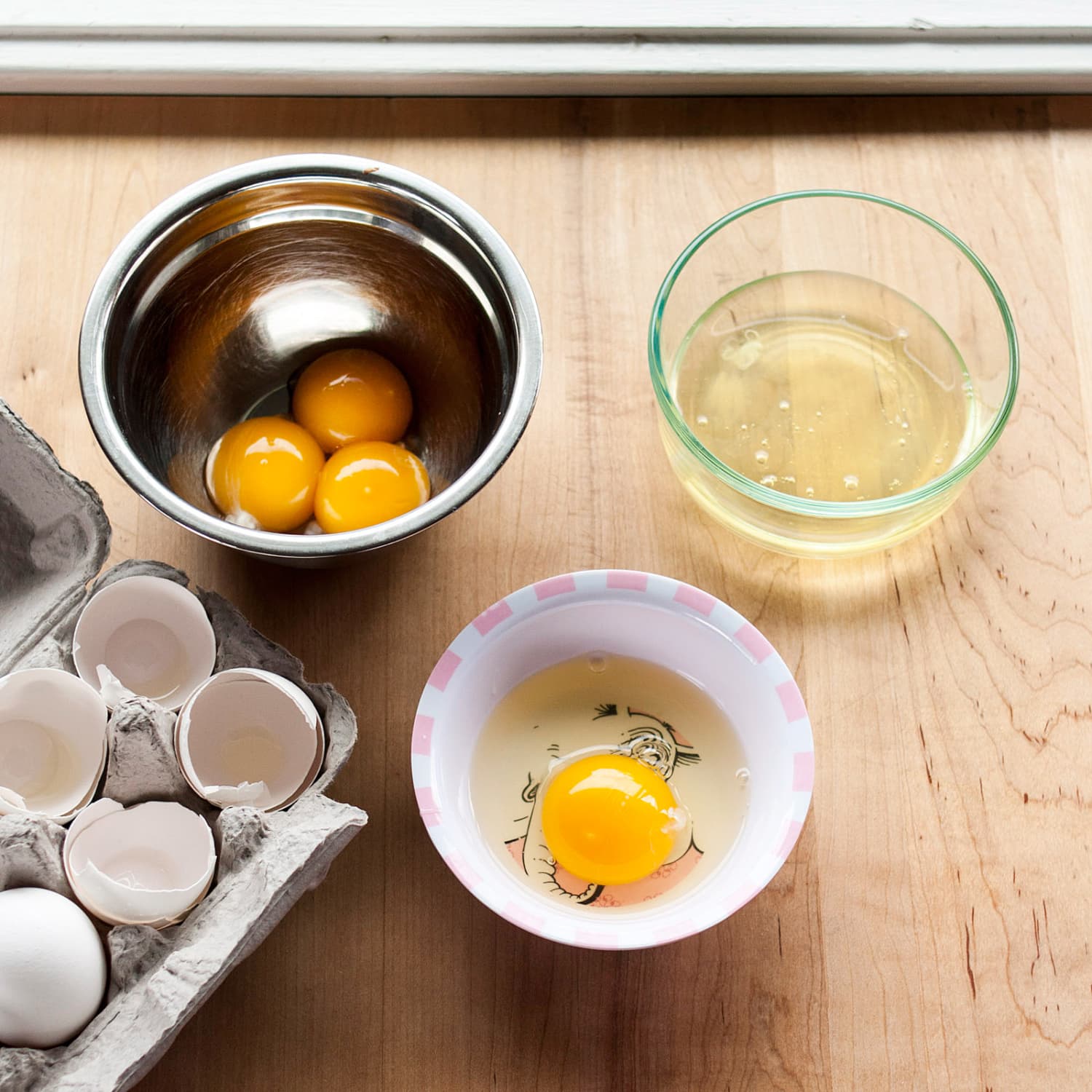
Credit: www.thekitchn.com
Conclusion And Recommended Practices
When halving a recipe with one egg, consider using half a beaten egg or a commercial egg replacer. It’s important to adjust other ingredients accordingly for a successful outcome in your dish. Follow these recommended practices to ensure your recipe turns out perfectly.
Summary Of Key Considerations
When halving a recipe that calls for one egg, it’s essential to maintain proper ratios and adjust cooking times accordingly.
- Ensure accurate measurement of ingredients
- Consider using half an egg or egg substitute
- Modify cooking time and temperature as needed
Best Practices For Halving Recipes
Follow these steps for successful recipe halving:
- Divide all ingredients in half proportionately
- Consider using a scale for precise measurements
- Adjust cooking time based on the size of the dish
- Experiment with egg substitutes for optimal results
Credit: www.recipelion.com
Conclusion
Mastering the art of halving a recipe with one egg is essential in the kitchen. Whether it’s adjusting the measurements, using egg substitutes, or simply embracing creativity, there are various options available. By understanding the nuances of recipe halving, you can confidently cook in smaller portions without compromising on flavor or texture.
Happy cooking!

Unlock unprecedented access to a massive professional network Our database boasts 750M LinkedIn users , segmented by country, enriched with phone numbers, emails, Facebook, Twitter handles. Tap into an expert user base for targeted outreach, business growth, LinkedInLeads DataDrivenMarketing
Contacts:
https://www.facebook.com/groups/WebScrapingStore/
Tel/Viber/WhatsApp:
+79818525114
Skype anato27