
when is the best time to add cheese to a recipe

The best time to add cheese to a recipe is usually towards the end of the cooking process, ensuring it melts properly and retains its flavor. Introducing cheese to a dish can elevate its taste and add a creamy, savory element that many people adore.
However, knowing the ideal time to incorporate cheese into a recipe can be crucial to achieving the desired result. By adding cheese close to the end of the cooking process, it has the opportunity to melt fully, releasing its rich flavors throughout the dish.
This technique also prevents the cheese from becoming too greasy or losing its distinct taste. Whether you’re making a comforting macaroni and cheese, a gooey grilled cheese sandwich, or a luscious cheese sauce, timing is key when incorporating this delectable ingredient.
Benefits Of Adding Cheese Early
When adding cheese early to a recipe, there are numerous benefits to consider, especially when it comes to enhancing the overall taste and texture of the dish. One significant advantage is the ability to develop a rich blend of flavors right from the start, leading to a more delicious outcome. Additionally, by adding cheese early in the cooking process, it can melt uniformly and create a creamy texture that is consistent throughout the dish.
Enhanced Flavor Profile
Adding cheese early allows it to infuse its rich and savory taste into the entire dish, elevating the flavor profile to new heights. This early incorporation ensures that every bite is filled with a delectable cheesy goodness.
Uniform Melt And Creamy Texture
By incorporating cheese early on, it can melt evenly and blend seamlessly with other ingredients, resulting in a velvety and creamy texture that coats the entire dish. This ensures that each mouthful provides a consistent and satisfying experience.

Credit: www.recipetineats.com
Considerations For Adding Cheese Late
Preserving Cheese’s Integrity
Cheese’s taste is best preserved when added late to prevent it from becoming rubbery.
Visual Appeal And Garnishing
Adding cheese late enhances the dish’s aesthetic appeal and allows for beautiful garnishing.
| Pros | Cons |
|---|---|
| Enhances flavor | Potential cold spots |
| Improved texture | Limited melting |
| Beautiful presentation | Requires careful monitoring |
- Retains cheese’s distinct flavor
- Enhances dish’s visual appeal
- Examine the recipe’s cooking process
- Select optimal time for adding cheese
Properly timing cheese addition ensures it melts evenly and enhances the dish.
Impact Of Cheese Type On Timing
The timing of adding cheese to a recipe can vary depending on the type of cheese used, resulting in different textures and flavors. Discover the best moment to add your favorite cheese to enhance your dish.
Impact of Cheese Type on Timing When it comes to adding cheese to a recipe, the type of cheese plays a crucial role in determining the best time for its addition. Hard cheeses and soft cheeses require different timing due to their distinct textures and melting points. Understanding this impact can greatly enhance the flavor and texture of your dishes. Let’s explore the optimal timing for adding different cheese types to your recipes.Hard Cheeses
Hard cheeses such as Parmesan, Pecorino, or aged Cheddar should be added earlier in the cooking process. Their low moisture content and firm texture require more time to melt and incorporate into the dish. When using hard cheeses, consider adding them at the beginning of cooking times for soups, sauces, or casseroles. This allows the cheese to melt evenly and infuse the dish with its rich, nutty flavor.Soft Cheeses
Soft cheeses like Brie, Camembert, or fresh Mozzarella melt quickly due to their high moisture content and creamy texture. It’s best to add soft cheeses towards the end of the cooking process or just before serving to preserve their smooth consistency and distinctive taste. Incorporating them too early can lead to overcooking and a loss of their creamy texture and delicate flavor. By understanding the impact of cheese type on timing, you can elevate your culinary creations by ensuring that each cheese is added at the optimal moment to enhance the overall taste and texture of your dishes.Balancing Other Ingredients
When it comes to adding cheese to a recipe, finding the right balance with other ingredients is key to achieving a delicious and well-rounded dish. Balancing the salt content and managing moisture levels are two important considerations when adding cheese to your recipe. Let’s dive into each of these factors and discover the best way to achieve harmony in your culinary creations.
Adjusting Salt Content
One crucial aspect of achieving a balanced flavor when adding cheese to a recipe is adjusting the salt content. Cheese itself can vary in saltiness, so it’s important to take this into consideration when determining how much additional salt to add to your dish. Too much salt can overpower the delicate flavors of the other ingredients, while too little salt can result in a bland tasting dish.
To ensure the perfect balance, it’s best to taste the cheese before adding it to your recipe. Start with a small sample and note its saltiness. If the cheese is already quite salty, you may want to reduce the amount of salt you add to your recipe. On the other hand, if the cheese is mild or lacking in saltiness, you may need to add a bit more salt to enhance the flavors.
Managing Moisture Levels
Managing moisture levels is another important consideration when adding cheese to a recipe. Different types of cheese have varying moisture contents, and this can affect the overall texture and consistency of your dish. If the cheese has a high moisture content, it can release excess liquid during cooking, resulting in a watery or soggy dish. On the other hand, if the cheese has a low moisture content, it may not melt and incorporate well with the other ingredients. To manage the moisture levels and ensure a successful dish, it’s helpful to know the moisture content of the cheese you are using. Harder and aged cheeses like Parmesan or Cheddar have lower moisture content, making them ideal for grating or melting. Softer cheeses like Brie or Mozzarella have higher moisture content, providing a creamy and gooey texture when melted. When incorporating cheese into your recipe, consider the desired texture and consistency you want to achieve. If you’re aiming for a stretchy and gooey result, opt for a cheese with higher moisture content. If you prefer a firmer and more pronounced cheese flavor, go for a cheese with lower moisture content. Experimentation and trying different types of cheese can help you find the perfect fit for your dish.By balancing the salt content and managing moisture levels, you can ensure that adding cheese to your recipe enhances the overall flavor, texture, and consistency. So, next time you’re cooking up a cheesy delight, keep these considerations in mind to elevate your culinary creations!
Common Mistakes And How To Avoid Them
When it comes to adding cheese to a recipe, there are a few common mistakes that can easily be avoided. By understanding these mistakes and knowing how to overcome them, you can take your dishes to a whole new level of cheesy goodness. In this section, we’ll discuss two of the most common mistakes: overcooking cheese and not allowing for resting time.
Overcooking Cheese
Overcooking cheese can result in a greasy, grainy texture and a loss of flavor. It’s important to know the right time to add cheese to your dish to avoid this common mistake. One key tip is to add the cheese towards the end of the cooking process.
Allowing the cheese to cook only for a short period of time ensures that it melts smoothly and retains its rich, creamy flavor. Watch closely as the cheese begins to melt, and remove it from the heat as soon as it reaches the desired consistency.
Overcooking cheese can also lead to a burnt or rubbery texture. If you notice the cheese starting to brown or bubble excessively, it’s a sign that it’s been cooked for too long. Act quickly and remove it from the heat to avoid disappointment.
Not Allowing For Resting Time
Resting time is an important step when adding cheese to a recipe, yet it’s often overlooked. Allowing the dish to rest for a few minutes after adding the cheese allows it to fully melt and infuse its flavors into the dish.
During the resting time, the cheese will continue to melt and distribute evenly, resulting in a more consistent texture and taste throughout the dish. This step is especially important when using cheese as a topping, such as on pizza or casseroles.
By following these tips, you can avoid the common mistakes of overcooking cheese and not allowing for resting time. Your dishes will turn out perfectly cheesy, with a rich and creamy texture that will have everyone coming back for seconds.
Incorporating Cheese In Various Dishes
Incorporating cheese in various dishes can take your cooking to the next level, adding richness and flavor to your favorite recipes. From pasta and risotto to baking and grilling, there are specific guidelines to consider when adding cheese to ensure an optimal culinary experience.
Pasta And Risotto
Adding cheese to pasta and risotto should be done at the right time to achieve the desired texture and flavor. For creamy dishes like carbonara or Alfredo, toss the pasta with grated Parmesan and pecorino right before serving, allowing the cheese to melt and create a luxurious sauce. For risotto, it’s best to add grated Parmigiano-Reggiano at the end of cooking, stirring it in to ensure a creamy, decadent finish.
Baking And Grilling
When it comes to baking and grilling, the timing of adding cheese is crucial. For dishes like lasagna or pizza, layer the mozzarella, cheddar, or fontina between the other ingredients to prevent burning while achieving a gooey, melty consistency. When grilling, such as making a grilled cheese sandwich, the cheese should be added when the bread is golden brown, giving it just enough time to melt and blend with the other fillings before removing from the heat.
Exploring Alternative Cheese Application Techniques
Explore innovative ways to incorporate cheese into your recipes through alternative cheese application techniques.
Infusing Cheese Flavor
Create depth in your dishes by infusing cheese flavors directly into your ingredients.
Creating Cheese-based Sauces
Elevate your recipes by incorporating rich cheese-based sauces for added creaminess and flavor.

Credit: www.recipetineats.com
Catering To Dietary Restrictions
Are you wondering about the best time to include cheese in a recipe? Whether it’s to enhance flavor or create a desired texture, adding cheese at the right moment can make a significant difference. By understanding the different stages of cooking, you can cater to various dietary restrictions and preferences while maximizing the cheese’s impact on your dish.
Vegan And Dairy-free Options
For those following a vegan or dairy-free diet, consider using plant-based cheeses or nutritional yeast as alternatives. These options provide the same creamy texture and savory flavor without dairy products.Reduced-fat Alternatives
Opt for low-fat cheese or skim milk in recipes to reduce the overall fat content while still maintaining the cheesy taste. Experiment with different types of reduced-fat cheeses to find the best option for your dish. When catering to dietary restrictions, it’s essential to be mindful of people’s specific needs and preferences. Providing alternative cheese options ensures that everyone can enjoy the dish without compromising on flavor or texture.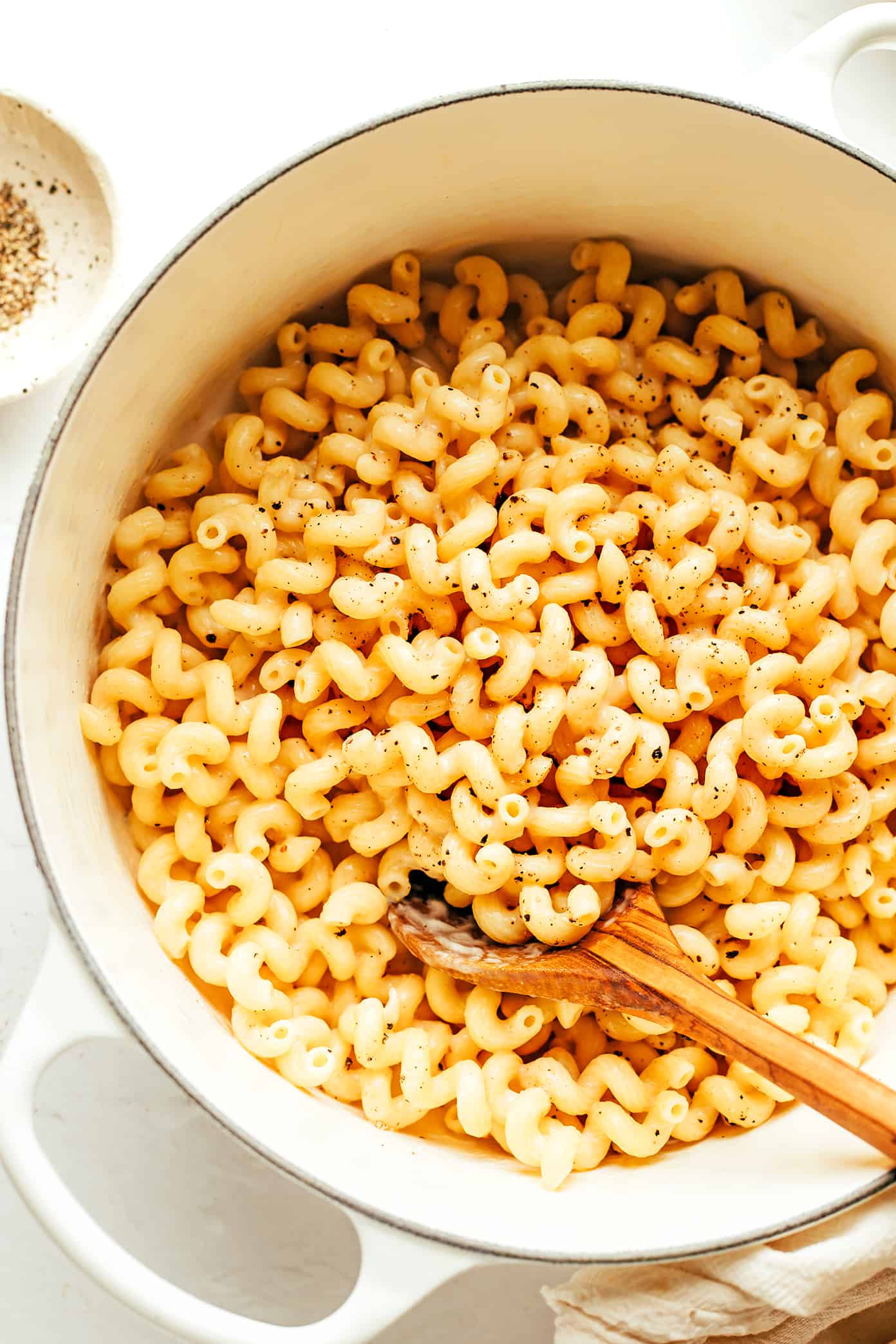
Credit: www.gimmesomeoven.com
Conclusion
Timing matters when adding cheese to a recipe. Whether it’s at the start, middle, or end, the best time depends on the dish. From enhancing flavors to achieving optimal texture, understanding the right moment to incorporate cheese can significantly elevate your culinary creations.
Experiment and find what suits your recipe best!
